Table of Contents
TL;DR
Planning your first Malta trip? Here’s a practical, reader-first guide: a 5–day itinerary, where to stay, how to get around, and the top sites that actually deliver. Malta is low-stress, high-payoff for celebration travel—especially for multi-gen groups, friends’ trips, and milestone birthdays where shared time and easy togetherness matter.
What worked on this trip:
- Malta exceeded expectations (even with a couple rookie mistakes)
- Stunning UNESCO sites and historical fortresses
- Charming waterfront towns with incredible harbor views
- Gozo day trip to ancient temples and dramatic coastline
- Discovering something in common with Napoleon
What didn’t work:
- Hurry-hurry-ding-ding (trying to see too much, too fast)
- Sliema
- Didn’t sample enough local Maltese cuisine
- Traffic jams
Malta wins even when you don’t nail the plan. I made a couple first-timer errors (including walking too long with sand in my shoes—don’t do that). The destination still delivered.
In fact, after 25+ years of travel writing across five continents, Malta still hit me with first-time thrill. That’s rare.
Use this guide whether you’re a couple or a group. I’ll flag multi-gen and friends-trip angles where it matters.
Why Malta for Your First Time (and Why Now)?
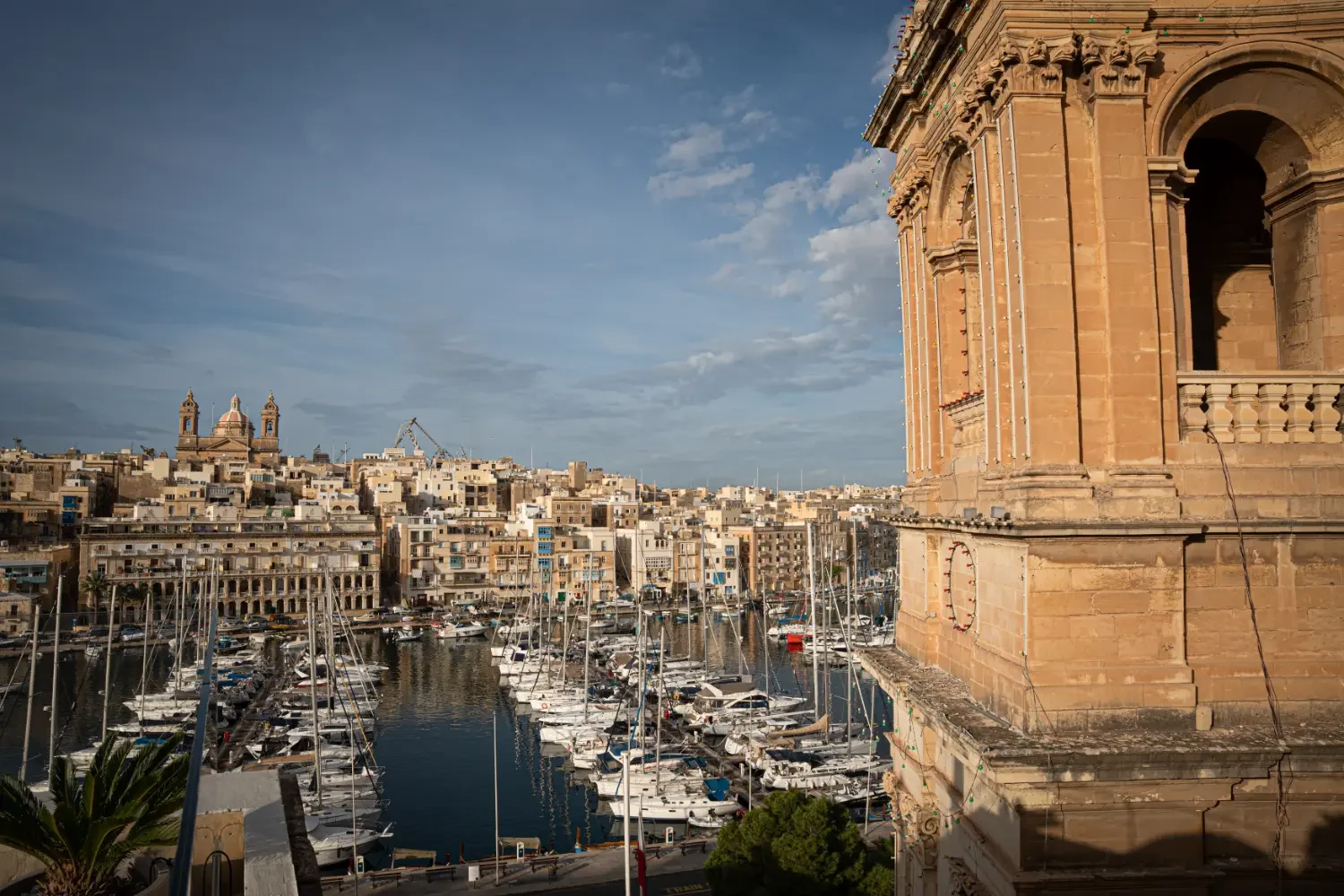
Malta has been sneaking onto more travelers’ radars lately, and for good reason. This tiny Mediterranean archipelago only 60 miles from Sicily packs more history per square mile than almost anywhere else in Europe. Think 7,000 years of civilization: prehistoric temples, the Knights of St. John, British-era forts—many now UNESCO-listed.
Reader benefit: high-density sights, dramatic coastlines, compact logistics, English everywhere… and a rhythm that makes it easy to explore together without friction.
Quick-start itinerary (5–7 days):
- Day 1: Valletta orientation walk + St. John’s Co Cathedral
- Day 2: Three Cities (Birgu/Vittoriosa, Senglea, Cospicua) + Fort St. Angelo
- Day 3: Fort St. Elmo + Grand Harbour vibes
- Day 4: Gozo day trip (Citadel, Dwejra, Ġgantija)
- Day 5: Mdina (Silent City) + bastion views
- Day 6: Blue Grotto + Marsaxlokk (add Comino’s Blue Lagoon if you have 7 days)
Malta Travel Tips: Start with a Guided Walk
Maltese towns and districts have multiple names—sometimes as many as six. Birgu is also Vittoriosa. Senglea can be Isla or Civitas Invicta. Cospicua also goes by Bormla. Translation: your taxi driver, your map app, and the street signs may not match. Don’t panic. Do what Napoleon did—he punted and simply called them “The Three Cities.” So can you.
Valletta, the capital, is just Valletta, thankfully.
Pro tip for first timers: Book a 60–90 minute guided walk on arrival day. It locks in the history and helps everywhere else feel meaningful. So you’re not just seeing Malta, you’re understanding it. Our guide was Mateo from Colour My Travel.
Valetta and The Three Cities: History, Walkability, and Easy Exploration
1. Explore the Three Cities (Birgu/Vittoriosa, Senglea, and Cospicua)
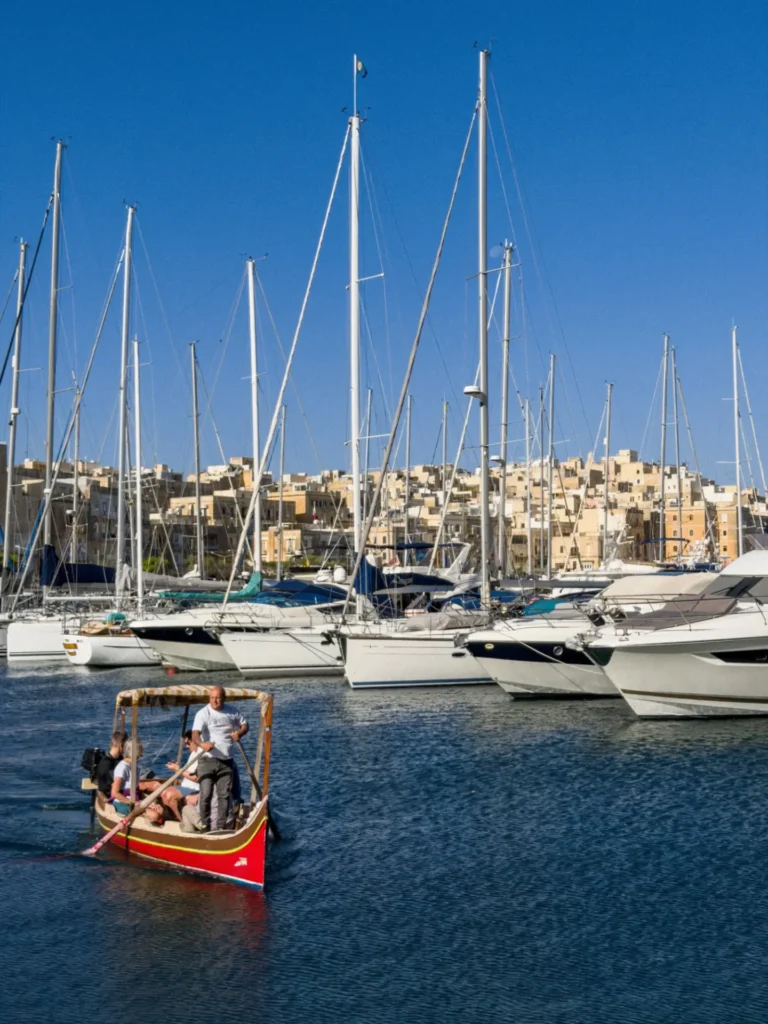
Stay on the Birgu peninsula for marina views and easy dgħajsa rides (iconic Maltese water taxi) across Grand Harbour to Valletta. The Three Cities are quieter than the capital, with medieval lanes and waterfront promenades that invite wandering, conversation, and lingering meals together.
Where to eat: Novita (fish soup + harbor views by St. Lawrence Collegiate Church) and Don Berto in Vittoriosa for a solid, post-sightseeing dinner.
Valletta evening circuit: Da Gino Lounge for sunset cocktails, Pia Dina for casual dinner, Sunday in Scotland for dessert, and outdoor jazz at Babel.
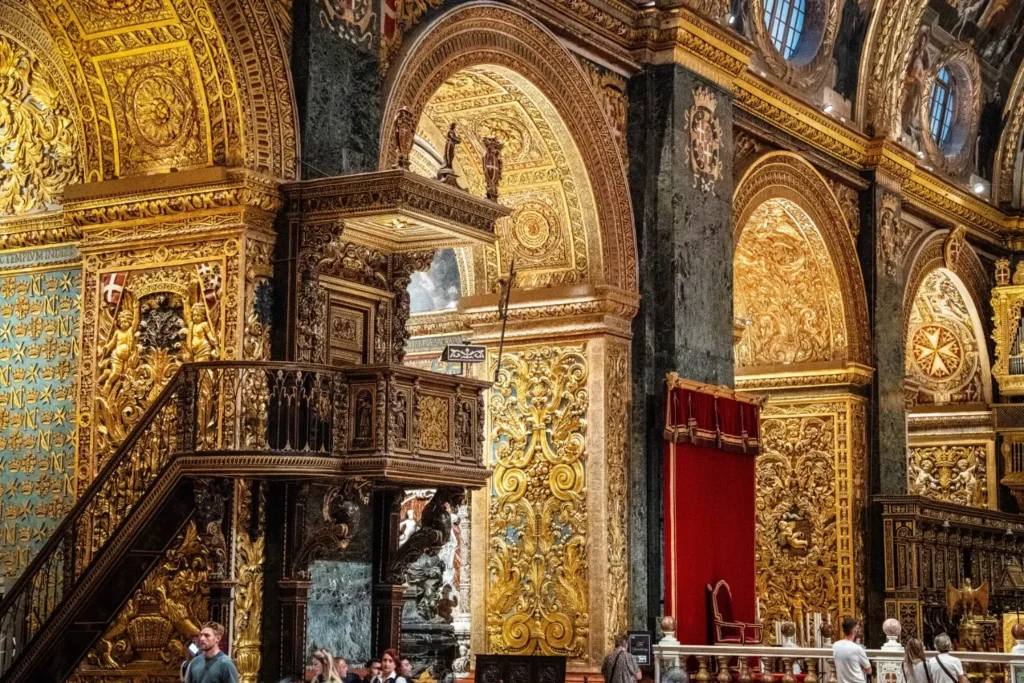
2. Get Lost in St. John’s Co Cathedral in Valletta (UNESCO site)
Give yourself 60–90 minutes+. The interior is unapologetically ornate—gold, frescoes, carvings—and the marble floor has been hailed as, “the most beautiful floor in the world.” Don’t miss Caravaggio’s The Beheading of St. John the Baptist, the only painting he ever signed.
Post-cathedral reset: Strada Merkanti for simple, fresh sandwiches.
3. Malta’s Forts: Layers of History You Can Walk Through
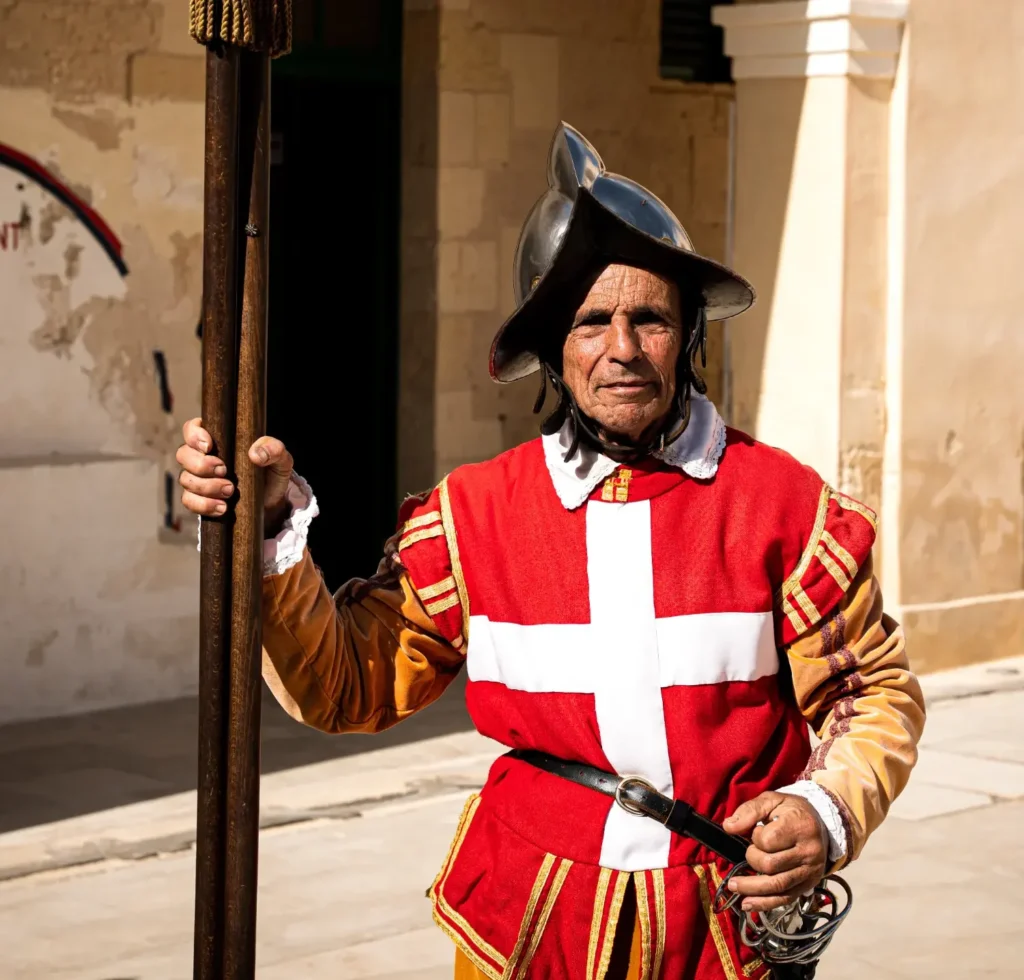
Malta’s fortifications are the throughline of its story.
Fort St. Elmo (Valletta tip) starred in the Great Siege of 1565. If the period costume drills are on, they’re worth 30 minutes.
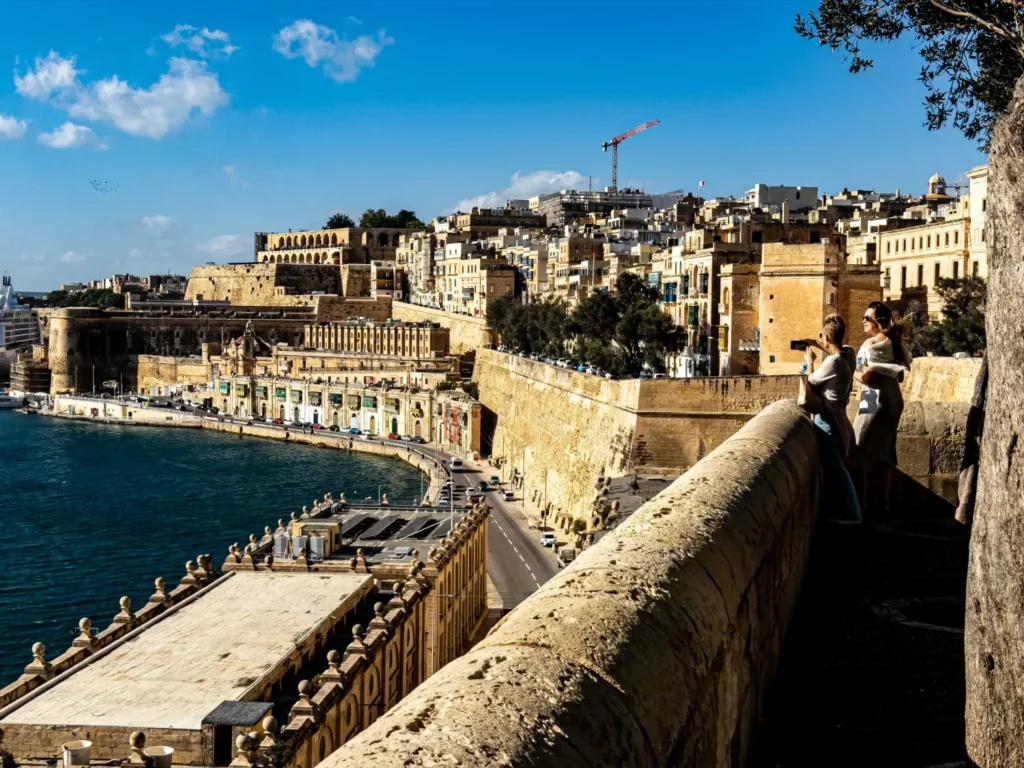
Fort St. Angelo (Birgu) = panoramic Grand Harbour views + strong, modern exhibits. Knights’ HQ turned British base: you feel the layers of history stacking on top of one another. Catch the firing of the canons at the Saluting Battery in Valletta, or watch from Upper Barrakka Gardens.
4. A Day Trip to Gozo: Malta’s Slower, Scenic Side
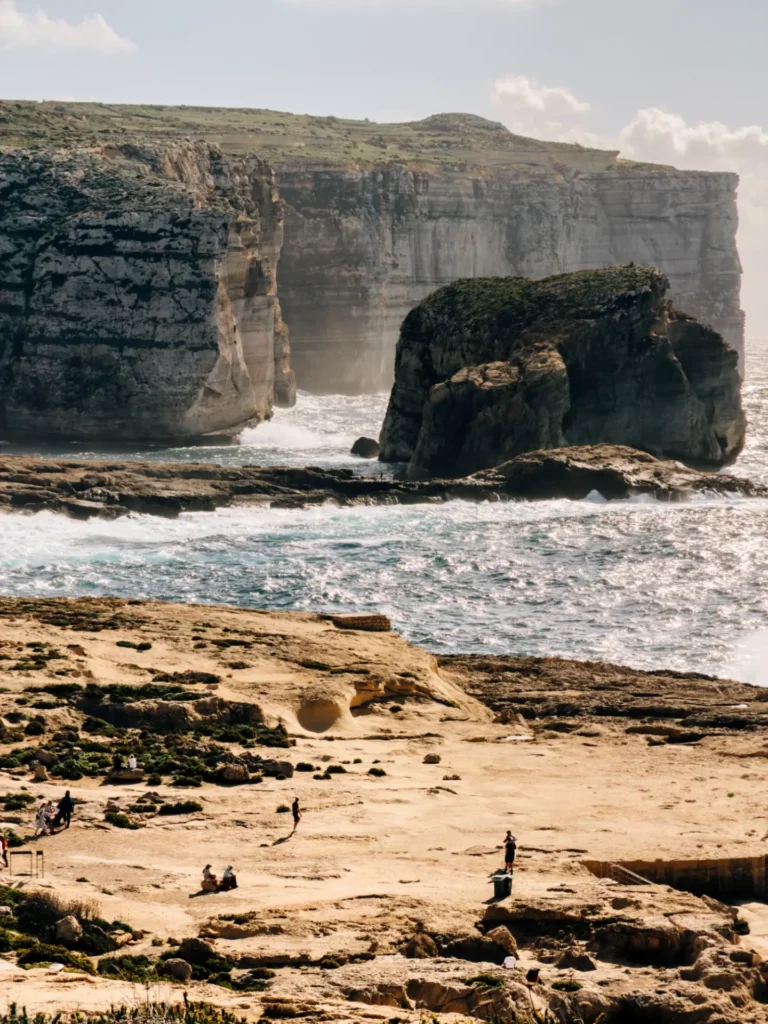
Fast ferry: ~40 minutes. Book a driver for an island loop and avoid bus timetables.
- The Citadel in Victoria: compact fortress town + big-sky views
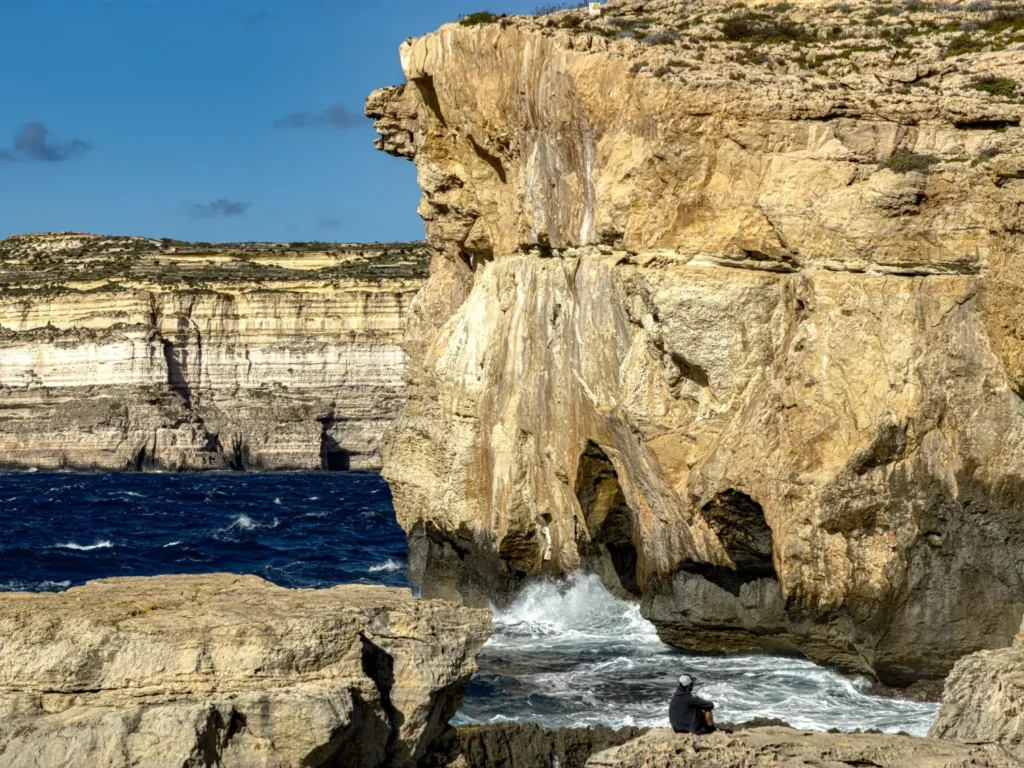
- Dwejra Bay: Nova Scotia meets the Algarve meets the Irish coast. Coastal trails + sea geology; linger if you can. Could have spent an entire day here to take it all in.
- Ġgantija Temples: among the world’s oldest free‑standing structures, pre‑Stonehenge and The Great Pyramids. UNESCO for good reason.
5. Blue Grotto and Marsaxlokk Fishing Village

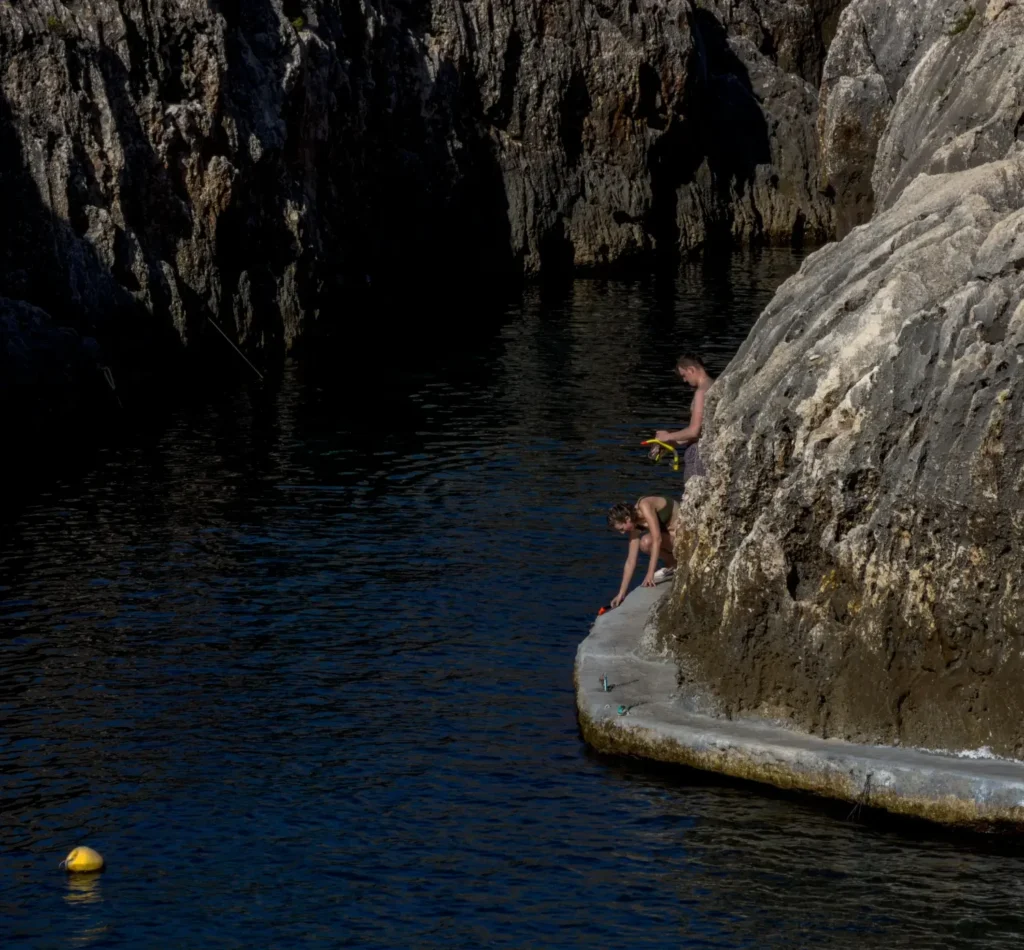
On the south coast, pair two easy wins. The Blue Grotto is a series of six sea caves with absurdly clear, azure water. Take the small boat tour; snorkel or scuba if you’ve got time.
Blue Lagoon vs. Blue Grotto: Blue Lagoon is on Comino (the small island between Malta and Gozo); Blue Grotto is on Malta’s south coast. Both are gorgeous; Blue Grotto is simpler logistically on a short trip. Blue Lagoon is a memorable swimming spot.
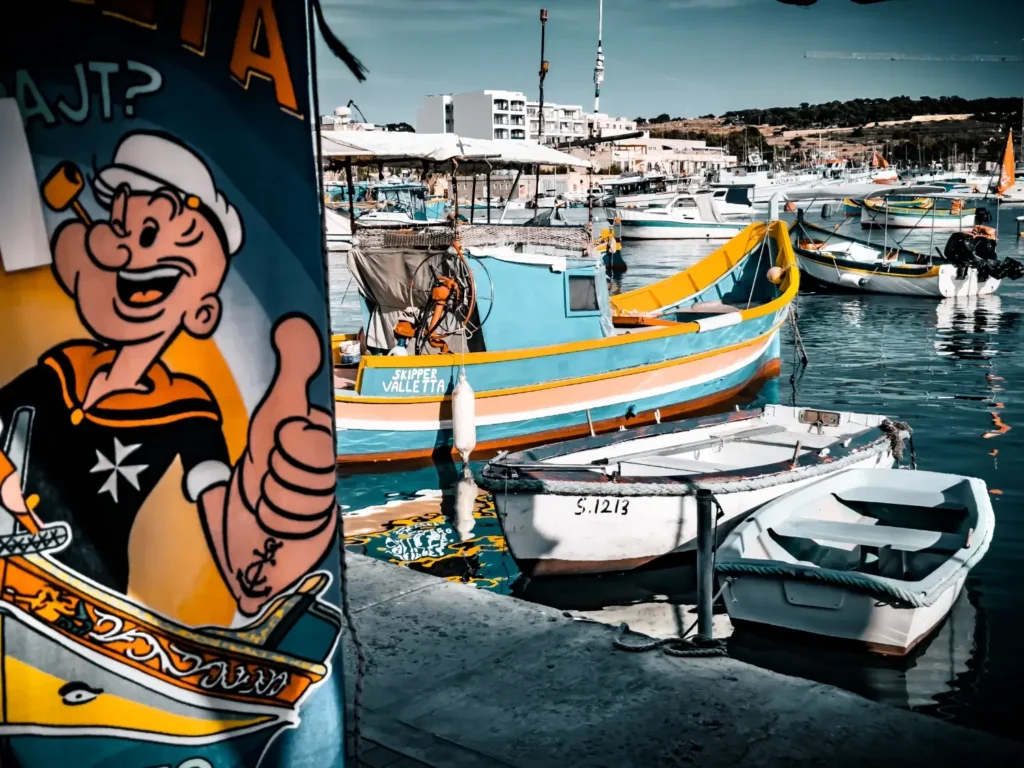
After the Blue Grotto, use Bolt/Uber to Marsaxlokk, a traditional fishing village. The harbor is filled with colorful luzzus (traditional boats) and there’s an outdoor market selling fresh fish and local goods. Yes, it’s touristy; still interesting.
What About Mdina?
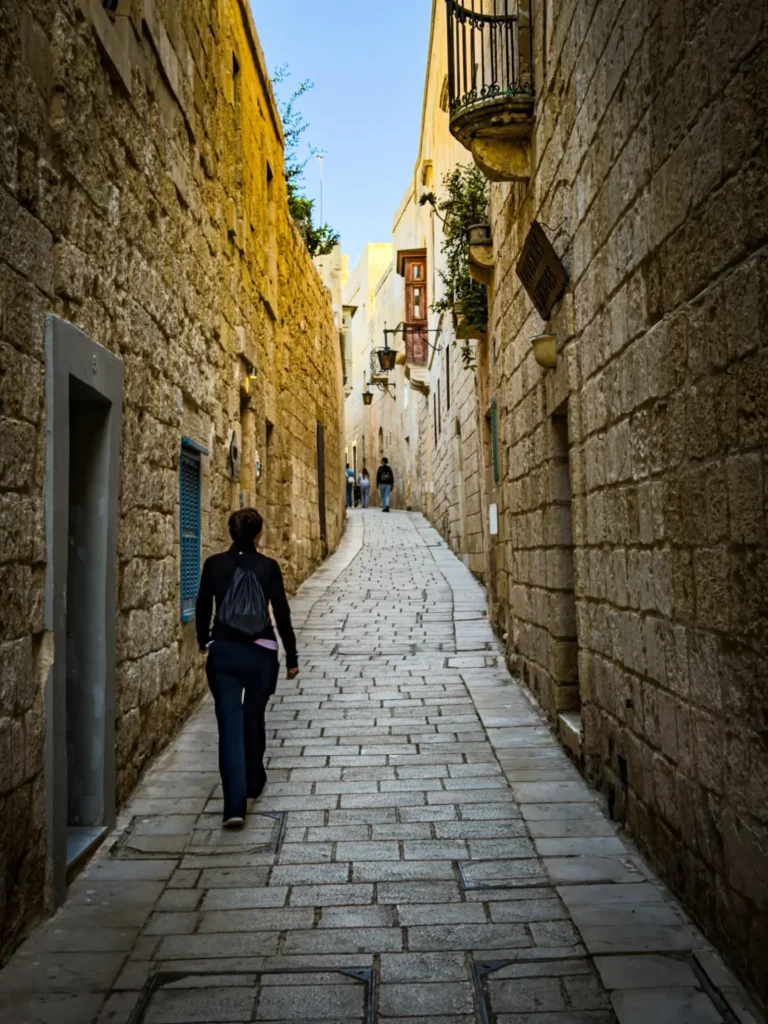
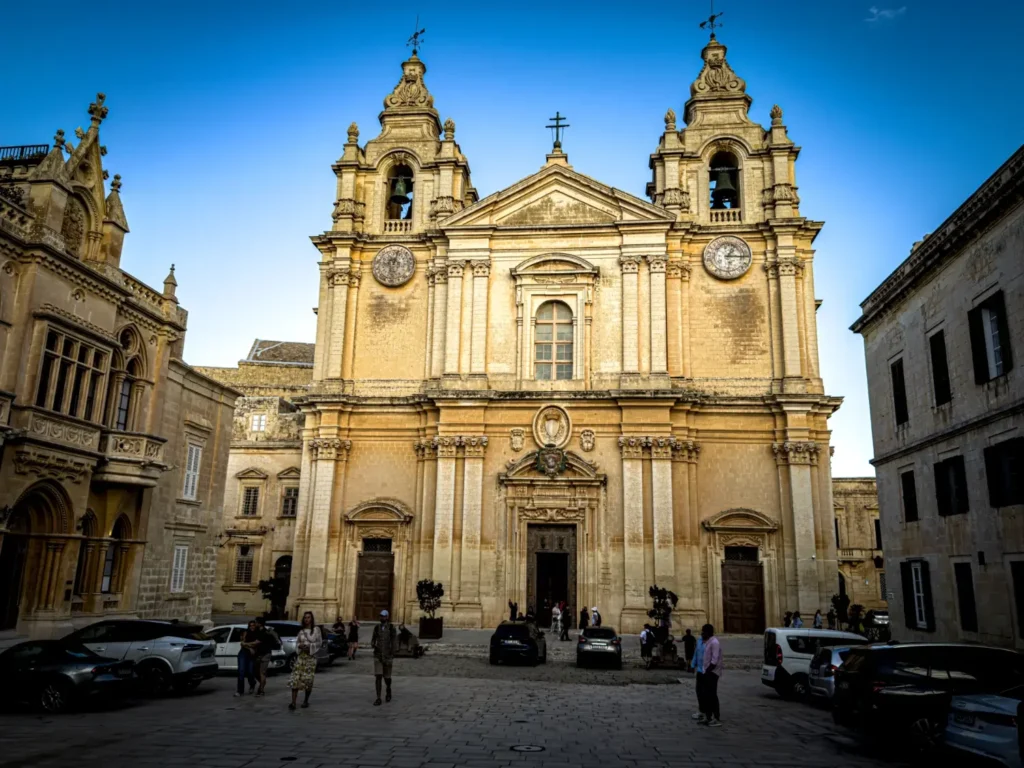
Mdina is Malta’s ancient walled city, often called the “Silent City.” The medieval streets and fortifications are stunning and served as the backdrop to many scenes in Game of Thrones.
Mdina things to do: Walk the narrow streets, visit St. Paul’s Cathedral, explore the bastions for panoramic views, and grab a terrace table for coffee/lunch with panoramic views.
About Sliema
If you’re chasing charm, Sliema’s ferry ride delivers convenience, not character: modern towers, chain dining. More hip and trendy, perhaps, but not as authentic as Valletta. First-timers usually prefer Valletta or the Three Cities.
Why Malta Works for Celebration Vacations
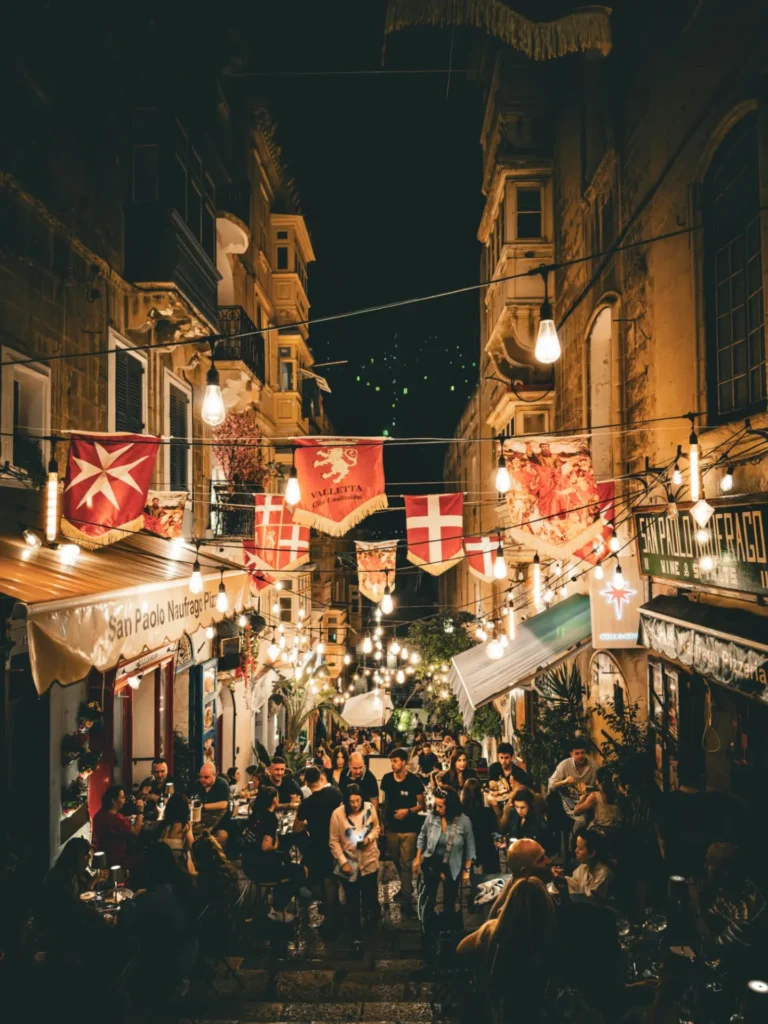
Here’s why Malta works so well when the goal is spending meaningful time together.
For multi-generational travel: Malta is one of those rare destinations where grandparents, parents, and kids can all find their happy place. The history appeals to older generations, the forts and knights’ stories captivate kids, and parents appreciate that everything is manageable—compact, English widely spoken, easy to split up and reconvene without anyone feeling disconnected from the group. Whether you’re renting a Malta villa or booking hotel rooms, the size makes logistics easy.
For friends’ getaways: Culture, beaches, nightlife. Mornings exploring UNESCO sites, afternoons in the water, evenings bar-hopping through Valletta’s jazz clubs and harbor-side lounges. Bolt rides are cheap, so no one has to be the designated driver.
For milestone birthdays and anniversaries: Dramatic fortresses, harbor views, and photogenic streets give big moments the right “this is special” feel—romantic waterfront dinners without the stuffiness.
Translation: do “one big thing” each morning, leave afternoons flexible, and still feel connected – to the place and to each other.
Practical Information: Where to Stay in Malta and Other Essentials
When to visit:
Spring (April–May) and fall (September–November) are ideal. Late October/early November gave us ~70°F and sun. Summer is hot and crowded. Winter is mild but some boats and tours don’t run.
Where to stay in Malta for Families and Groups:
For atmosphere + views, base in the Three Cities. IBB Palazzo Bettina is nice, with a fancier and roomier sister hotel called Cugó Gran Macina Malta nearby. For a walk-everywhere hub, choose Valletta’s boutique hotels.
For group trips or family stays, villa rentals in areas like Mdina or Gozo work especially well. Shared space makes unplanned moments part of the experience.
All That Glitters Is Gozo
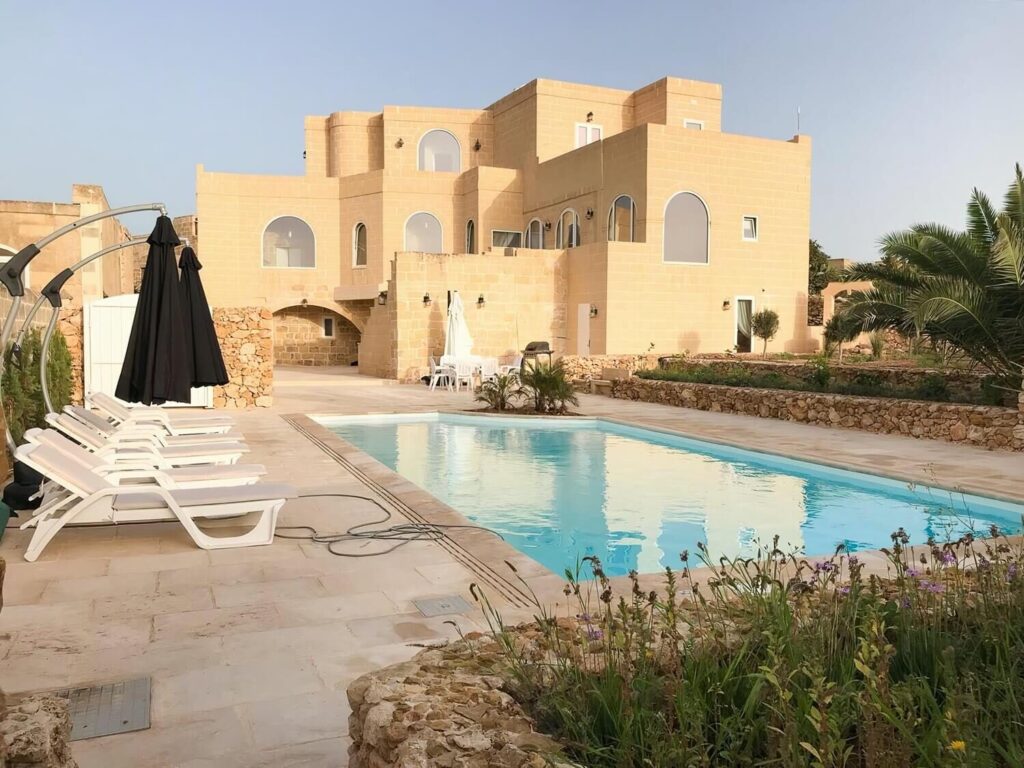
Set in the Gozo countryside just a short drive from the island’s capital, All That Glitters Is Gozo is a honey-stone farmhouse villa made for lazy pool days and group getaways. With characterful stone arches, a generous private pool and plenty of terrace space for sunrise coffees and alfresco dinners, it’s an easy home base for exploring Gozo’s coves and cliffs.
Getting around (Essential Malta travel tips):
“Take the bus,” they said. “The public transportation system is good,” they said. “A bus to Mdina runs every 6 minutes,” they said. We waited 20 minutes for a bus, then endured over 20 stops enroute to Mdina.
That said, it was a Sunday, and construction caused a detour. Using Bolt or Uber is easy—fares are inexpensive compared to the U.S. Malta drives on the left (former British colony); roads are mostly single carriageways, so expect traffic.
Language and currency:
Maltese and English are the official languages; English is widely spoken. Currency is the Euro; cards are widely accepted.
How many days for your first-time Malta itinerary:
Plan 5 days; 6–7 lets you breathe and add Comino or extra beach time.
What I’d Do Differently
Don’t stack the afternoons. One anchor activity in the morning, flexible afternoons, evening strolls. A little space creates room for connection – conversations, pauses, and the moments you’ll actually remember.
I’d also sample more Maltese fare. Add rabbit stew (fenkata), pastizzi, ftira, and lampuki pie to your list.
Final Thoughts: Why Malta Delivers for Group and Celebration Travel
Malta delivers stick with you experiences, the kind that come from shared discovery as much as standout sights. For first timers, it’s excellent for larger celebrations and multi-generational trips: variety, manageable logistics, and something for everyone. The mix of history, beaches, and vibrant towns means different personalities and age groups can all find their happy place.
Just remember: bring comfortable shoes, skip relying on buses, slow down and breathe, and try the local food (rabbit stew, pastizzi, ftira).
Frequently Asked Questions
What is the best time of year to visit Malta?
Spring (April–May) and fall (September–November) are ideal. Late October brought ~70°F and sun. Summer gets hot and crowded, while winter is mild, but some boat tours don’t operate. Malta has over 300 days of sunshine per year, so good weather is likely.
Do I need to rent a car in Malta?
No, Malta’s main cities are walkable. Traffic is congested, parking is difficult, and they drive on the left. Use Bolt or Uber instead—typically €8–10 for rides that would be $30–40 in the U.S. If you plan extensive rural exploration, hiring drivers for day trips works well.
What language is spoken in Malta?
Maltese and English are official; English is widely spoken. No language barrier for English speakers—great for multi-generational trips.
Is Malta good for families with young children?
Yes. Compact distances, knights-and-forts history kids love, English everywhere, and plenty of water time. Expect cobblestones—bring a good stroller or carrier.
What should I eat in Malta?
Rabbit stew (fenkata), pastizzi (flaky pastries with ricotta or peas), ftira (Maltese flatbread). Fresh fish is outstanding everywhere.
How many days should I spend in Malta for my first time?
Minimum 4–5 days to see the highlights without feeling rushed. Ideally 6–7 days so you can breathe and enjoy the moments. A solid plan: Valletta (1–2 days), Three Cities (1 day), Gozo day trip (1 day), Mdina (half day), Blue Grotto/south coast (half to full day). For multi-gen, lean longer so different age groups move at their own pace.